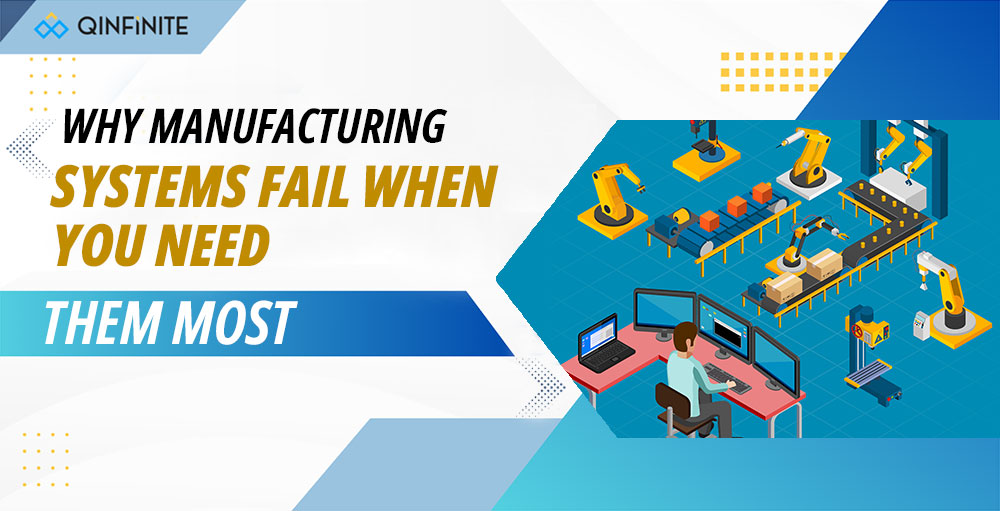
Manufacturing environments are designed for precision.
- Processes are optimized.
- Systems are monitored.
- Operations are tightly controlled.
And yet, when failures happen, they tend to happen at the worst possible time. Not during routine operations, but during peak production cycles, critical deadlines and high-demand periods.
It’s Not the Failure – It’s the Surprise
Most manufacturing systems don’t fail because they aren’t monitored. They fail because teams don’t fully understand how systems are connected. An issue in one system, often small and isolated, can trigger a chain reaction across the environment. And by the time it’s visible production is already impacted.
The Hidden Complexity of IT and OT
Modern manufacturing environments combine:
- legacy OT systems
- enterprise IT applications
- cloud-based platforms
Each layer evolves independently. But they are deeply interconnected. The challenge is that those connections are rarely fully visible.
Why Traditional Visibility Falls Short
Most organizations rely on:
- monitoring tools
- manual documentation
- siloed system views
These approaches show what is happening but not how everything is connected.
Without that understanding:
- root cause analysis takes longer
- issue resolution becomes reactive
- risks remain hidden
When Downtime Becomes a Business Risk
In manufacturing, downtime is not just technical.
It directly impacts:
- production output
- delivery timelines
- revenue
- customer commitments
And often the cost of not knowing is higher than the cost of failure itself.
So What Needs to Change?
To prevent failures, organizations need more than alerts. They need real-time understanding of system relationships.
They need to be able to see and understand:
- how systems depend on each other
- how issues propagate
- what will break before it does
From Reactive to Predictable Operations
The goal here is not just faster response, It is being able to accurately predict, so that teams can:
- identify risks early
- understand impact instantly
- act with confidence
Where Qinfinite Makes the Difference
Qinfinite continuously discovers systems and maps their dependencies across IT and OT environments.
This allows teams to:
- understand how systems interact
- identify critical dependencies
- resolve issues faster with full context
So instead of reacting to failures enterprises can prevent them proactively.
Closing Thought
Manufacturing success depends on reliability. But reliability doesn’t come from monitoring alone, It comes from understanding how your systems truly work together.