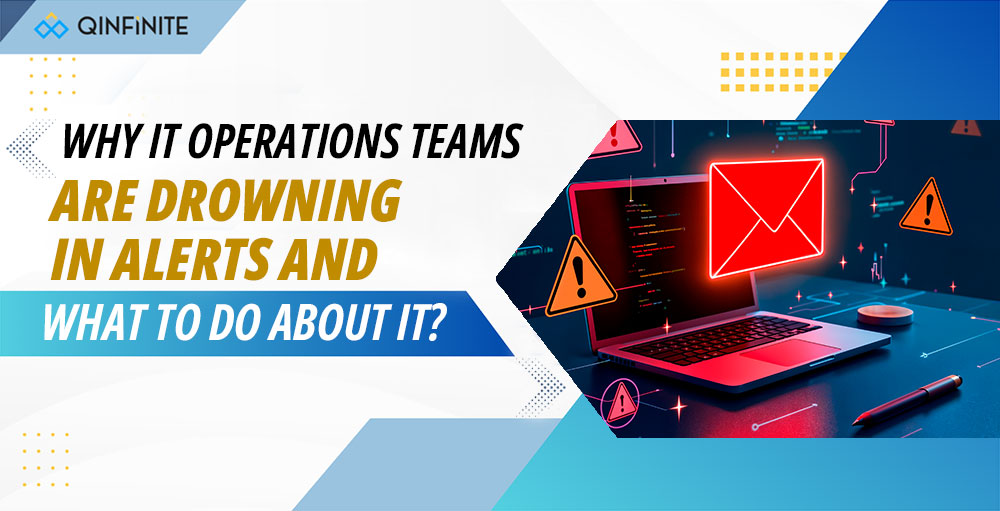
For most IT operations teams, the day starts the same way.
- A flood of alerts.
- Multiple dashboards.
- Conflicting signals.
And one constant question:“Where do we even start?”
More Alerts, Less Clarity
Modern IT environments generate massive amounts of data. Every system, service, and application produces signals. But more alerts don’t mean better visibility. In fact they often create more confusion.
Teams spend time:
- filtering noise
- switching between tools
- trying to connect the dots
Instead of solving the actual problem.
The Real Problem: Lack of Context
Most alerts tell you that something is wrong; but not:
- why it’s wrong
- where it started
- what else is affected
- what is the business & financial impact
Without this context:
- root cause analysis takes longer
- resolution is delayed
- incidents escalate unnecessarily
Why Traditional Tools Fall Short
Monitoring tools are built to observe systems individually, but modern environments are closely interconnected.
A single issue can span:
- multiple applications
- infrastructure layers
- cloud and on-prem systems
And without understanding these relationships teams are always reacting.
The Cost of Reactive Operations
When operations remain reactive:
- MTTR increases
- teams burn out
- service reliability suffers
And over time operational efficiency declines.
The Shift to Intelligent Operations
Leading IT teams are moving toward a context-driven operations’ approach:
Where teams can:
- see how systems are connected
- identify root causes instantly
- prioritize the right actions
From Noise to Signal
The goal here is not to reduce alerts but to make them meaningful by:
- correlating signals across systems
- understanding dependencies
- highlighting real issues
Where Qinfinite Fits In
Qinfinite connects the dots across your entire IT environment, by continuously discovering systems and mapping dependencies, it enables teams to:
- filter out noise
- identify root causes faster
- automate repetitive responses
- operate with clarity
So instead of being overwhelmed by alerts enable your teams stay in control.
Closing Thought
The problem isn’t that IT teams don’t have enough data. It’s that they don’t have enough understanding.
The relevant question to ask here is:
Are your teams reacting to alerts or acting on intelligence?